Diese Seite ist Teil des Expat-Living-Systems.
Nutzen Sie es als Arbeitscheckliste und überprüfen Sie es, wenn sich Ihre Situation ändert.
Last updated: February 12, 2026
Financial friction is one of the fastest ways to destabilize an expat move. Build your money system as if you are running a small operation: clear account roles, disciplined cash buffers, and repeatable tax tracking. This guide gives you a practical framework you can run every month.

Quick Facts Before You Set Up
Financial control framework
| System area | Minimum standard |
|---|---|
| Account design | Separate buckets for spending, tax reserve, and emergency funds. |
| Cash resilience | Local cash backup plus at least one secondary payment rail. |
| FX control | Track total conversion cost, not just visible transfer fees. |
| Tax records | Income and expense logs categorized by source and jurisdiction. |
1. Build a three-layer money architecture
Most expats make one account carry too many jobs. Use a layered setup so one disruption does not break your entire month.
- Layer 1 - Daily operations: local spending account and debit access for rent, food, transport, and routine bills.
- Layer 2 - Tax reserve: isolated funds for expected tax obligations and compliance-related fees.
- Layer 3 - Emergency reserve: protected cash for medical events, urgent flights, or temporary income loss.
Baseline rule: Never mix tax reserve money with daily spending liquidity.
Setup checklist
- Assign one account per function and name each one in your budgeting app/sheet.
- Automate transfers to tax and emergency reserves on income day.
- Document every recurring bill with due date, channel, and backup channel.
- Keep at least one non-primary card for payment continuity.
2. Manage exchange-rate leakage and transfer costs
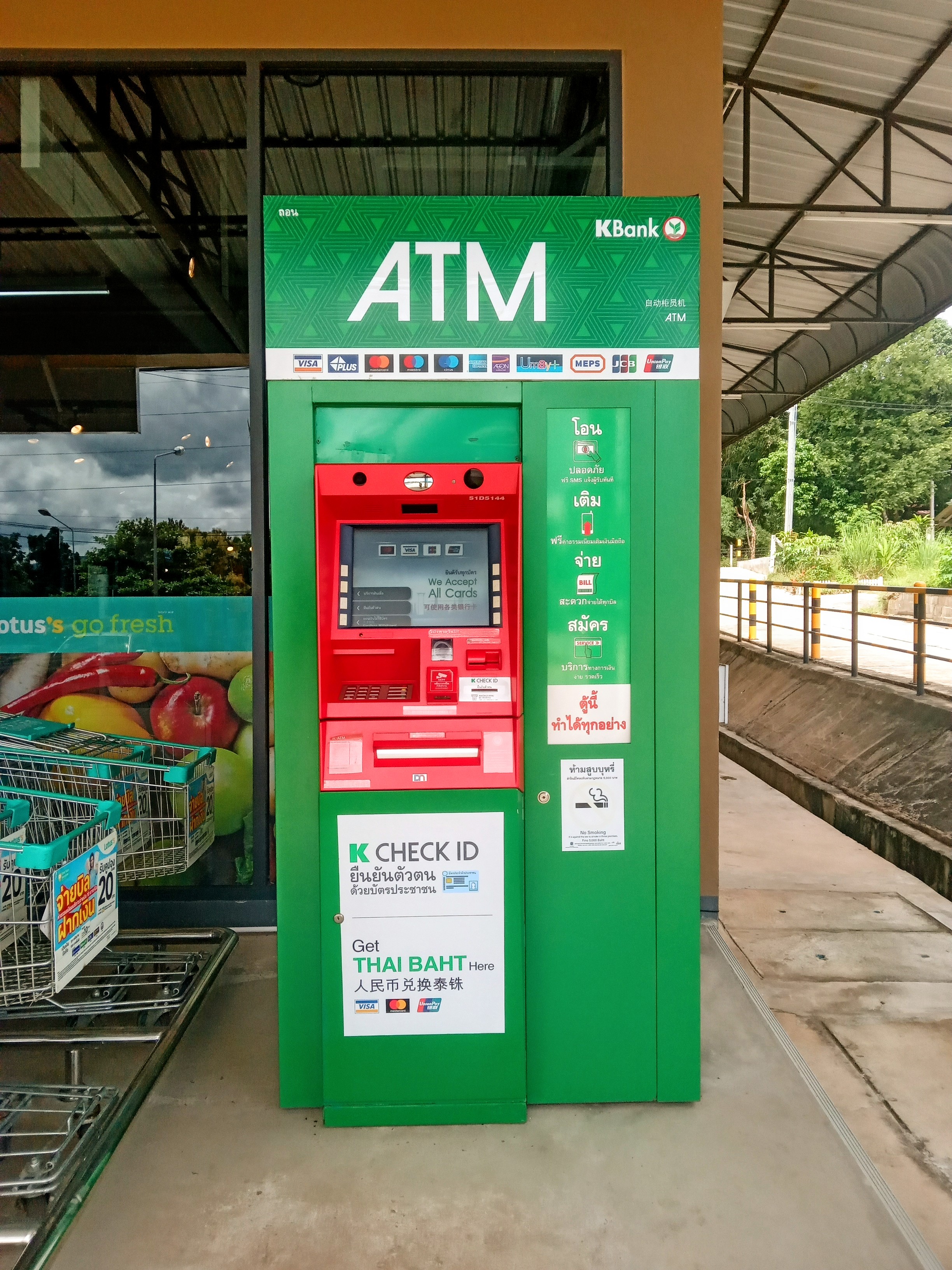
The expensive part of cross-border living is often hidden in spread, conversion timing, and ATM behavior. Build a weekly review habit and optimize the whole path from source account to local spend.
- Track effective rate: compare what you actually received versus mid-market reference.
- Batch transfers: reduce frequent small conversions that compound fixed fees.
- Keep local float: avoid forced conversions during bad rate windows.
- Use known rails: maintain a tested fallback transfer provider.
3. Treat tax as a recurring operations process
Tax complexity rises quickly once income is cross-border or multi-source. Your goal is not to memorize every rule, but to keep clean records and escalate early when your profile changes.
Operational tax habits
- Track day-count presence consistently to monitor residency triggers.
- Tag income by origin: salary, freelance, business, dividends, or other.
- Archive receipts and invoices in searchable monthly folders.
- Run a monthly compliance review instead of a year-end panic cleanup.
- Engage cross-border tax support when your income model changes.
Do
- Maintain separate personal and business flows where applicable.
- Forecast taxes using conservative assumptions.
- Keep a documented compliance calendar for filing and payment windows.
- Review treaty exposure and reporting duties with a qualified advisor.
Don't
- Assume remote income is automatically exempt everywhere.
- Rely on one-time forum advice for current tax-year decisions.
- Delay recordkeeping until filing season.
- Commingle personal spending and business deductions in one ledger.
Cheat Sheet
Official Links and Source Channels
Note: This page is practical guidance, not tax or legal advice. Verify all current obligations with qualified professionals.
What's Next?
Letzte Aktualisierung: February 12, 2026