Diese Seite ist Teil des Expat-Living-Systems.
Nutzen Sie es als Arbeitscheckliste und überprüfen Sie es, wenn sich Ihre Situation ändert.
Last updated: February 12, 2026
Good safety strategy is about reducing exposure while preserving quality of life. Most major problems come from routine lapses, not dramatic events. This guide helps you build repeatable risk controls for daily life, travel, and emergencies.

Quick Facts for Risk Control
Risk management baseline
| Area | Minimum standard |
|---|---|
| Personal security | Consistent habits for cash handling, transport choice, and location awareness. |
| Scam resilience | Known scam patterns, refusal scripts, and transaction verification routines. |
| Incident response | Action checklist for phone loss, card compromise, theft, or legal dispute. |
| Emergency readiness | Contacts, medical info, and fallback plans accessible offline and online. |
1. Build preventive habits into daily movement
Safety improves most through small repeated choices. Focus on frictionless habits you can maintain consistently.
- Carry discipline: split daily spending cash from reserve funds.
- Device hygiene: lock screen, strong passcodes, and remote wipe enabled.
- Transport choices: use trusted options, especially late night or low-traffic periods.
- Route awareness: favor well-lit, predictable routes over risky shortcuts.
Decision rule: If losing your phone tonight would block banking and identity recovery, your setup is under-protected.
2. Use scam-resistant transaction behavior
Scam prevention works best when decisions are standardized. Reduce improvisation in money, identity, and booking workflows.
Anti-scam checklist
- Verify pricing and terms before committing to services.
- Use trusted booking/payment channels where possible.
- Avoid handing over original IDs except where legally required.
- Pause before high-pressure offers and verify independently.
- Keep proof of payment and screenshots for disputes.
Compromise response checklist
- Freeze compromised cards and rotate account credentials immediately.
- Document timeline, transactions, and counterpart details.
- Report serious incidents to relevant authorities and financial providers.
- Replace exposed IDs/cards and update connected account recovery settings.
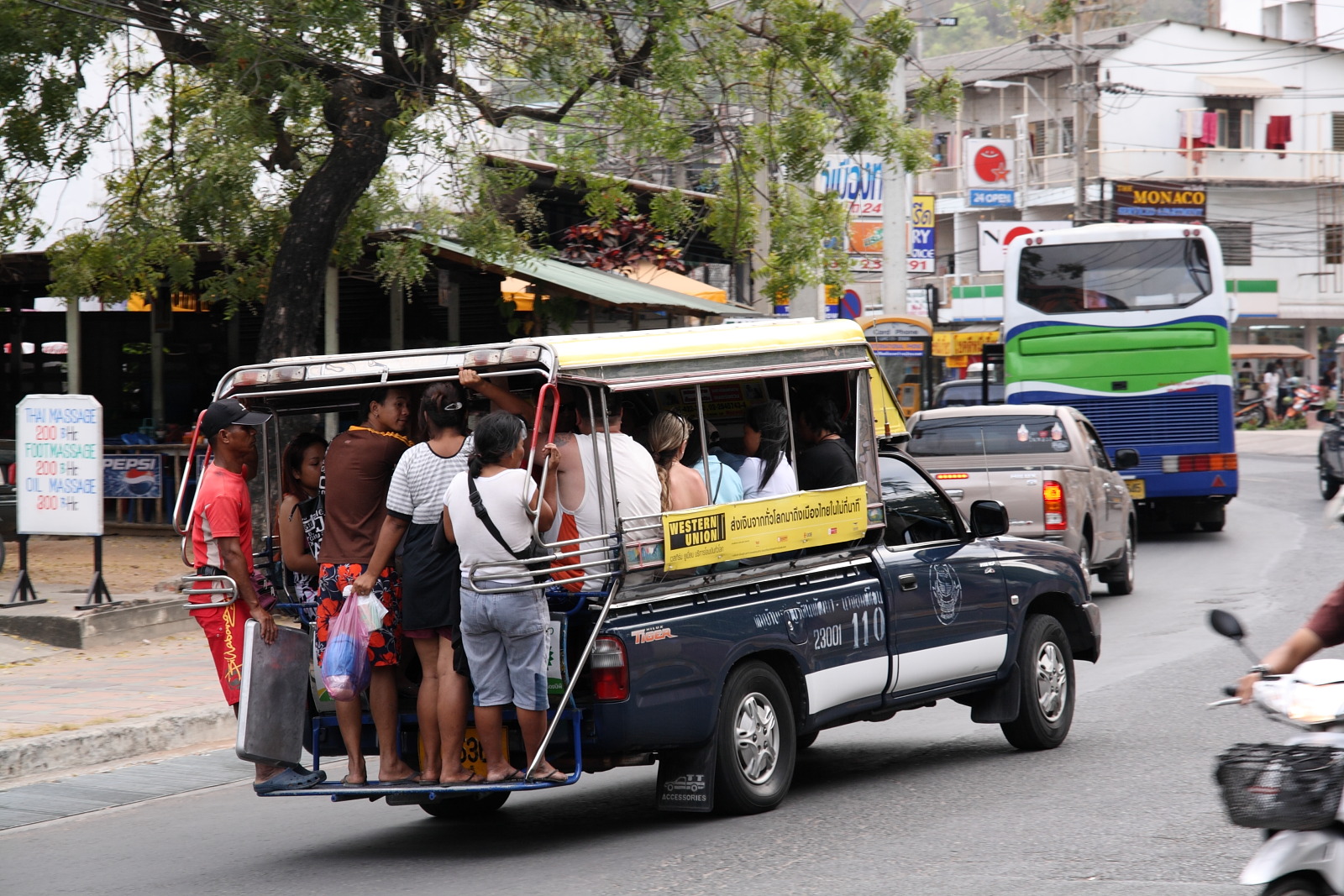
3. Prepare a clear emergency and escalation protocol
Under stress, simple systems outperform complex plans. Build a concise emergency protocol you and trusted contacts can execute quickly.
- Emergency card: medical conditions, allergies, insurer, and key contacts.
- Contact ladder: local trusted person, family backup, and professional support path.
- Document pack: passport copy, visas, policy docs, and proof of address in secure storage.
- Check-in routine: simple status protocol for late travel or high-risk movement windows.
Do
- Use consistent security habits for money, devices, and transport.
- Keep emergency contacts and docs accessible offline.
- Report and document incidents quickly.
- Review and refresh your risk setup monthly.
Don't
- Carry all funds and IDs in one place.
- Assume minor suspicious activity will resolve itself.
- Share personal documents casually over chat or unknown channels.
- Delay account lock and credential reset after compromise.
Cheat Sheet
Official Links and Source Channels
Note: This page is practical guidance, not legal advice. Contact the appropriate authorities and professionals for incident-specific action.
What's Next?
Letzte Aktualisierung: February 12, 2026