Эта страница — часть системы Expat Living.
Используйте как рабочий чек-лист и возвращайтесь по мере изменения ситуации.
Last updated: February 12, 2026
Visa planning is not a one-time admin task. It is the operating system for your entire move. Use this guide to build a stable legal workflow before you commit to long leases, local business setup, or long-term spending. Rules and requirements can change, so always confirm current details directly with official sources before you submit anything.

Quick Facts Before You Start
Decision framework
| Item | What to decide or verify |
|---|---|
| Visa objective | Retirement, family, work, education, business, or trial stay. |
| Compliance rhythm | Extension windows, reporting cadence, and re-entry requirements. |
| Document control | Passport copies, financial proof, lease docs, and backups in one secure folder. |
| Risk controls | Buffer days before expiry, second payment rail, and legal fallback plan. |
1. Choose your residency track before making long-term commitments
Avoid the classic mistake: relocating first, then trying to repair visa strategy later. Choose the legal path that matches your real life pattern, not the one that looks easiest this week.
- Validation stay: A short initial phase to test neighborhood fit and daily routines before locking into long contracts.
- Income-linked stay: A work or business structure that aligns with how and where income is generated.
- Retirement-led stay: A slower, stability-focused structure with clear annual compliance milestones.
- Family-linked stay: A relationship-dependent pathway where documentation quality matters as much as timing.
Decision rule: If you cannot explain your 12-month legal path on one page, you are not ready to scale your move yet.
2. Build a compliance calendar on day one
Most residency failures come from timing errors, not intent. Keep one calendar that tracks every legal deadline and reminder with lead time.
Operational checklist
- Before entry: Confirm eligibility, current document list, and current process path from official channels.
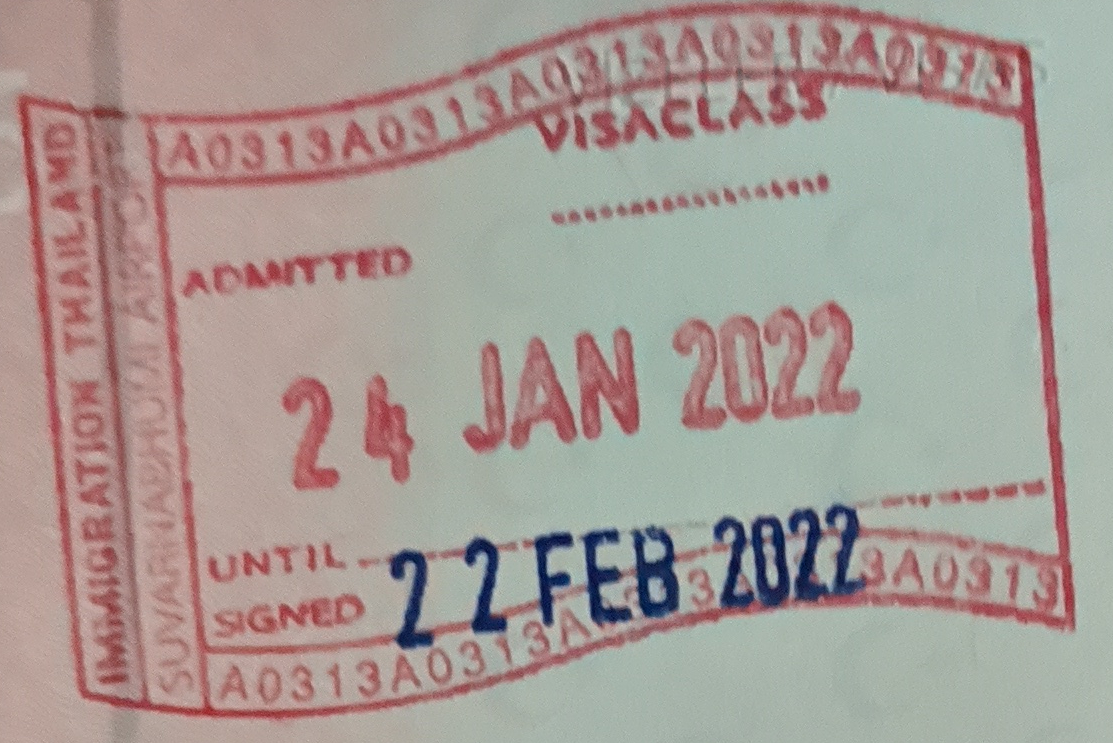
- At entry: Capture arrival stamp and permission dates immediately, then verify they match your expectation.
- First week: Set deadline reminders with at least a 30-day and 14-day warning window.
- Monthly: Re-check rule updates and keep supporting records current.
- Pre-travel: Validate re-entry impact before leaving Thailand if your status depends on continuous permission.
Minimum document stack
- Passport bio page, entry history, and current permission pages.
- Financial evidence matched to your actual path.
- Address/lease proof and local contact details.
- Digital scans plus physical copies in a separate bag.
3. Reporting, extensions, and re-entry: where expats usually get burned
High-risk failure points tend to cluster in the same places:
- Late extension prep: leaving document collection to the final days.
- Date confusion: mixing visa validity with permitted stay dates.
- Unplanned travel: departing without confirming impact on re-entry and status continuity.
- Assumption-based planning: relying on old forum advice without current-source verification.
Do
- Use one source-of-truth checklist for every renewal cycle.
- Keep a calm, audit-ready folder of all immigration documents.
- Build extra time for public holidays and admin delays.
- Get professional help early when your profile is complex.
Don't
- Wait until the final week to resolve document gaps.
- Assume one visa path allows all forms of work activity.
- Travel out of country without checking re-entry implications.
- Let expired records pile up without an archive routine.
Cheat Sheet
Official Links and Source Channels
Note: This page is practical guidance, not legal advice. Always verify current requirements with official sources.
What's Next?
Последнее обновление: February 12, 2026