This site is new and under heavy construction - please ignore our mess!

āļ„āđ‰āļ™āļžāļš Ayutthaya

# Ayutthaya: A Journey Through Time Nestled just a short drive from Bangkok, Ayutthaya is a UNESCO World Heritage Site that offers a unique glimpse into Thailand's rich history. Known for its stunning...

Ayutthaya

Last updated: February 2026

Thailand's ancient capital, filled with UNESCO-listed temples and dramatic ruins.
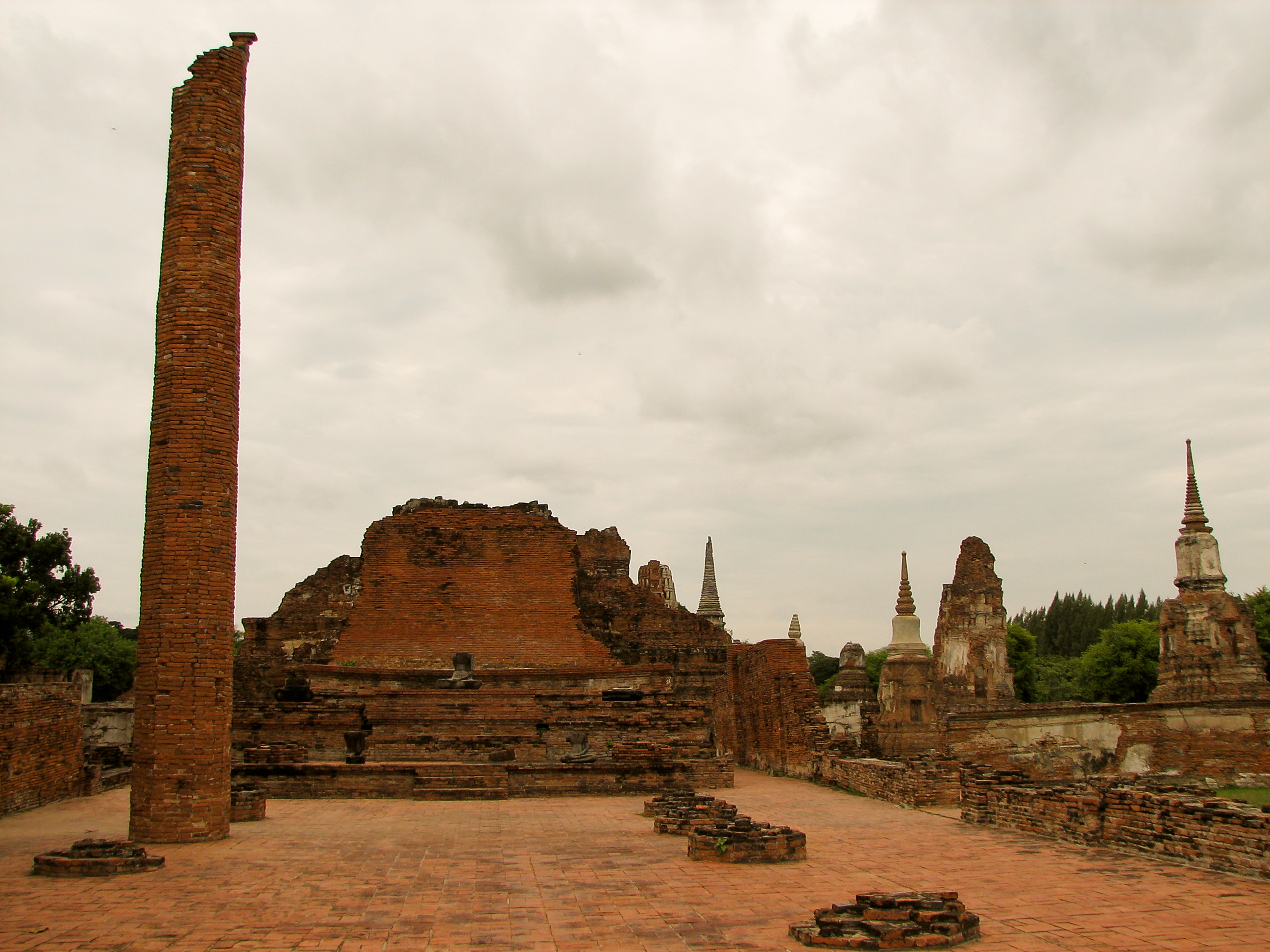
Ayutthaya historical ruins
Ayutthaya ruins — Photo by Norbert Nagel on Wikimedia Commons.

Ayutthaya is one of Thailand's most important historical sites. The former royal capital is packed with temple ruins, Buddha statues, and riverside viewpoints, making it a perfect culture-focused day trip.

Quick Facts

Best for

History + temples

Vibe

Cultural, laid-back

Highlights

UNESCO ruins, temples

Timezone

Asia/Bangkok (ICT)

Top Sights

Wat Mahathat

Famous Buddha head wrapped in tree roots.

Wat Phra Si Sanphet

Iconic trio of chedis and royal temple grounds.

Wat Chaiwatthanaram

Riverside temple with great sunset views.

Ayutthaya Historical Park

The main complex of UNESCO-listed ruins.
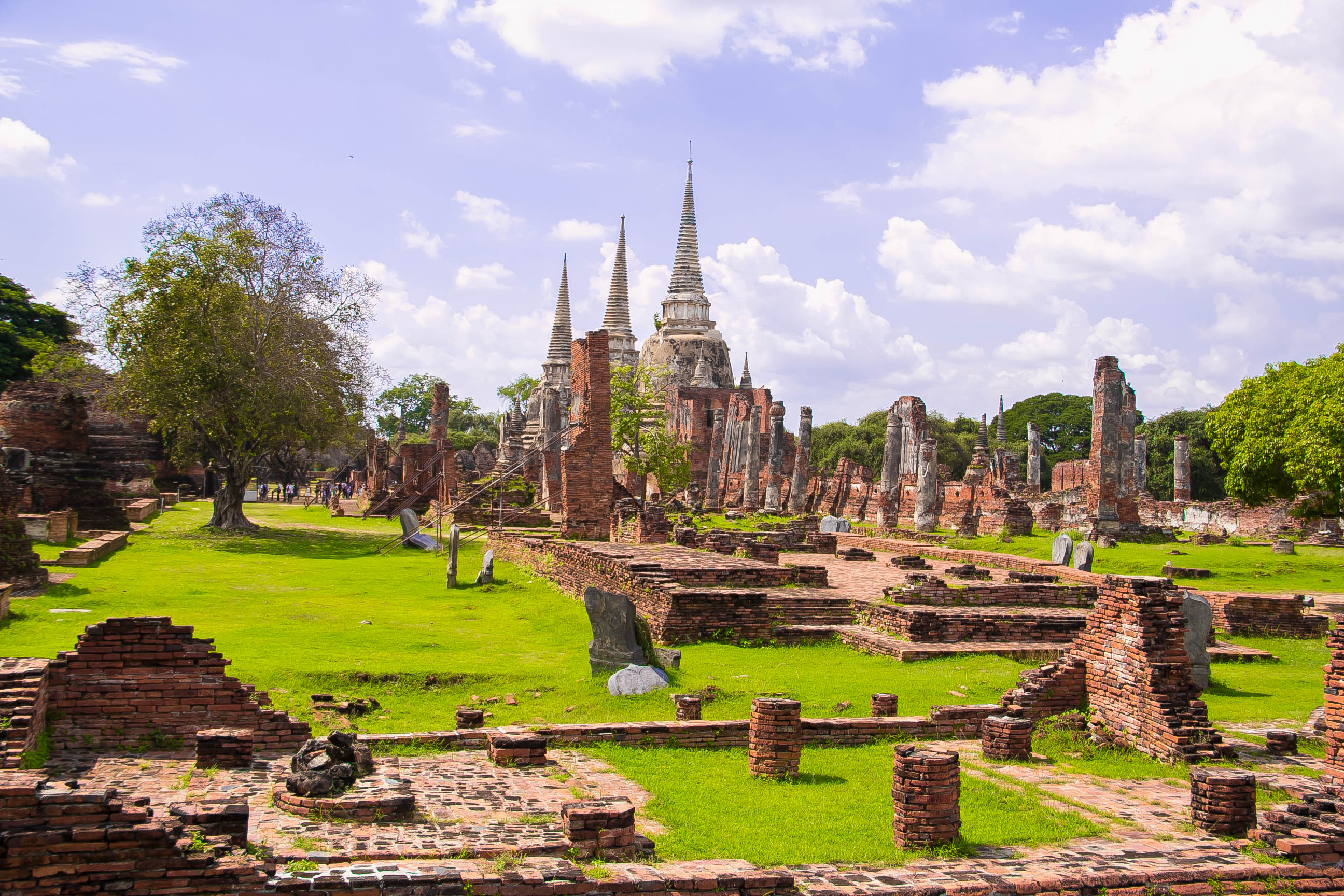
Ayutthaya Historical Park
Ayutthaya Historical Park — Photo by Supanut Arunoprayote on Wikimedia Commons.

Getting There

From Bangkok

  • Train or minivan for budget travel.
  • Private car or tour for comfort.

From Pattaya

  • Private car or full-day tour recommended.
  • Expect an early start and late return.

Ayutthaya is spread out. Rent a bicycle or hire a tuk-tuk to save time.

Tips

  • Visit early to avoid midday heat.
  • Wear light clothing and bring sunscreen.
  • Dress modestly for temple sites.
  • Carry cash for tickets and transport.

Questions?

Ask our community for tour recommendations and transport tips.

Ask on the Forums →

Photo credits
  • â€Ē Ayutthaya ruins — Norbert Nagel (Wikimedia Commons)
  • â€Ē Ayutthaya Historical Park — Supanut Arunoprayote (Wikimedia Commons)

āļŠāļ āļēāļžāļ­āļēāļāļēāļĻ Ayutthaya

--°C
āļāļģāļĨāļąāļ‡āđ‚āļŦāļĨāļ”...

āļāļīāļˆāļāļĢāļĢāļĄāļ—āļĩāđˆāļāļģāļĨāļąāļ‡āļˆāļ°āļĄāļēāļ–āļķāļ‡

āđ„āļĄāđˆāļĄāļĩāļāļīāļˆāļāļĢāļĢāļĄāļ—āļĩāđˆāļāļģāļŦāļ™āļ”āđ„āļ§āđ‰

āļ”āļđāļāļīāļˆāļāļĢāļĢāļĄāļ—āļąāđ‰āļ‡āļŦāļĄāļ” →

āļ—āļĢāļīāļ›āļ§āļąāļ™āđ€āļ”āļĩāļĒāļ§āļˆāļēāļ Ayutthaya

āļ”āļđāļ—āļĢāļīāļ›āļ§āļąāļ™āđ€āļ”āļĩāļĒāļ§āļ—āļąāđ‰āļ‡āļŦāļĄāļ” →
āļ„āļđāđˆāļĄāļ·āļ­āļ—āļĢāļīāļ›āļ§āļąāļ™āđ€āļ”āļĩāļĒāļ§āļŠāļģāļŦāļĢāļąāļš Ayutthaya āļāļģāļĨāļąāļ‡āļˆāļ°āļĄāļēāđ€āļĢāđ‡āļ§āđ† āļ™āļĩāđ‰

āļŠāļĄāļļāļ”āļŦāļ™āđ‰āļēāđ€āļŦāļĨāļ·āļ­āļ‡

āđ€āļĢāļĩāļĒāļāļ”āļđāđ„āļ”āđ€āļĢāļāļ—āļ­āļĢāļĩ →

0

āļĢāļēāļĒāļŠāļ·āđˆāļ­āļ—āļĩāđˆāđ„āļ”āđ‰āļĢāļąāļšāļ­āļ™āļļāļĄāļąāļ•āļīāđƒāļ™ Ayutthaya

āļĢāđ‰āļēāļ™āļ­āļēāļŦāļēāļĢ āđ‚āļĢāļ‡āđāļĢāļĄ āļšāļĢāļīāļāļēāļĢ āļāļēāļĢāđ€āļ”āļīāļ™āļ—āļēāļ‡

āļ āļēāļžāļ–āđˆāļēāļĒāļ‚āļ­āļ‡ Ayutthaya

āļ”āļđāđāļāļĨāđ€āļĨāļ­āļĢāļĩ →
āļĒāļąāļ‡āđ„āļĄāđˆāļĄāļĩāļ āļēāļžāļ—āļĩāđˆāđ„āļ”āđ‰āļĢāļąāļšāļāļēāļĢāļ­āļ™āļļāļĄāļąāļ•āļī 0 āļ āļēāļžāļ—āļĩāđˆāđ€āļŠāļ·āđˆāļ­āļĄāđ‚āļĒāļ‡āļ­āļĒāļđāđˆāđƒāļ™āļ‚āļ“āļ°āļ™āļĩāđ‰.

āļ›āļĢāļ°āļŦāļĒāļąāļ”āđƒāļ™āļāļēāļĢāđ€āļ”āļīāļ™āļ—āļēāļ‡āļ‚āļ­āļ‡āļ„āļļāļ“ Ayutthaya

āļˆāļ­āļ‡āđ‚āļĢāļ‡āđāļĢāļĄ āļ—āļąāļ§āļĢāđŒ āđāļĨāļ°āļŠāļīāđˆāļ‡āļˆāļģāđ€āļ›āđ‡āļ™āđƒāļ™āļāļēāļĢāđ€āļ”āļīāļ™āļ—āļēāļ‡āļœāđˆāļēāļ™āļžāļąāļ™āļ˜āļĄāļīāļ•āļĢāļ—āļĩāđˆāđ€āļŠāļ·āđˆāļ­āļ–āļ·āļ­āđ„āļ”āđ‰ āđāļĨāļ°āļĢāļąāļšāļ”āļĩāļĨāļ”āļĩāļ—āļĩāđˆāļŠāļļāļ”

āļāļīāļˆāļāļĢāļĢāļĄ āđ„āļ”āđ€āļĢāļāļ—āļ­āļĢāļĩ āđāļāļĨāđ€āļĨāļ­āļĢāļĩāļ āļēāļž āļ§āļīāļ”āļĩāđ‚āļ­ āļŸāļ­āļĢāļąāđˆāļĄ āļ„āđ‰āļ™āļŦāļē